
Exploring the evolution of casinos through the ages
The Origins of Gambling
The history of gambling can be traced back thousands of years, with evidence from ancient civilizations such as the Chinese and Egyptians. Archaeological findings reveal that games of chance, often played for small stakes, were commonplace in these societies. Early dice made from animal bones and rudimentary betting games laid the groundwork for what would eventually evolve into the modern casino. For those looking to engage online, the 1xbet login provides easy access to a range of gaming options.

As societies developed, so did the complexity of gambling activities. The Romans introduced various games in their forums, with chariot racing and dice games gaining immense popularity. This early integration of betting into social activities signifies the enduring nature of gambling throughout human history, reflecting a fascination that has only grown with time.
The Rise of Formal Casinos
The establishment of formal casinos began in the 17th century, particularly in Italy, where the first recognized casino, the Ridotto, opened in Venice in 1638. This marked a significant shift from informal betting to a structured environment dedicated to gambling. Patrons could enjoy various games like card games and roulette, all regulated by specific rules and overseen by house staff. The profitability of slot machines began to play a significant role in this evolution, attracting more players.
Throughout Europe, the popularity of casinos spread, leading to the opening of famous establishments like the Casino de Monte-Carlo in Monaco. These venues began to symbolize luxury and entertainment, attracting not only gamblers but also tourists seeking leisure and high-class experiences.
The Golden Age of Casinos in America
The late 19th and early 20th centuries marked a golden age for casinos in America, particularly in cities like Las Vegas and Atlantic City. The legalization of gambling in these locations transformed them into entertainment hubs. Las Vegas, in particular, became synonymous with glitz and glamour, featuring extravagant casinos that offered not only gambling but also dining, shows, and nightlife.
As competition grew, casinos began innovating their offerings to attract customers. The introduction of elaborate themes and attractions, from lavish décor to celebrity performances, turned gambling into a full-scale entertainment experience. This period saw casinos evolve from simple gaming houses into multifaceted resorts, effectively reshaping the industry.
The Digital Revolution in Gambling
The advent of the internet in the late 20th century introduced a new dimension to the gambling industry. Online casinos began emerging in the 1990s, allowing players to gamble from the comfort of their homes. This digital transition democratized gambling, making it accessible to a broader audience and altering the landscape of the industry.
Online platforms brought innovations such as live dealer games and virtual slots, catering to changing consumer preferences. The convenience of mobile gaming further accelerated this trend, allowing players to engage in gambling activities anytime and anywhere. The rapid growth of online gambling has led to increased competition and regulatory scrutiny, emphasizing the need for safe and responsible gaming practices.
Modern Gaming Experiences and Future Trends
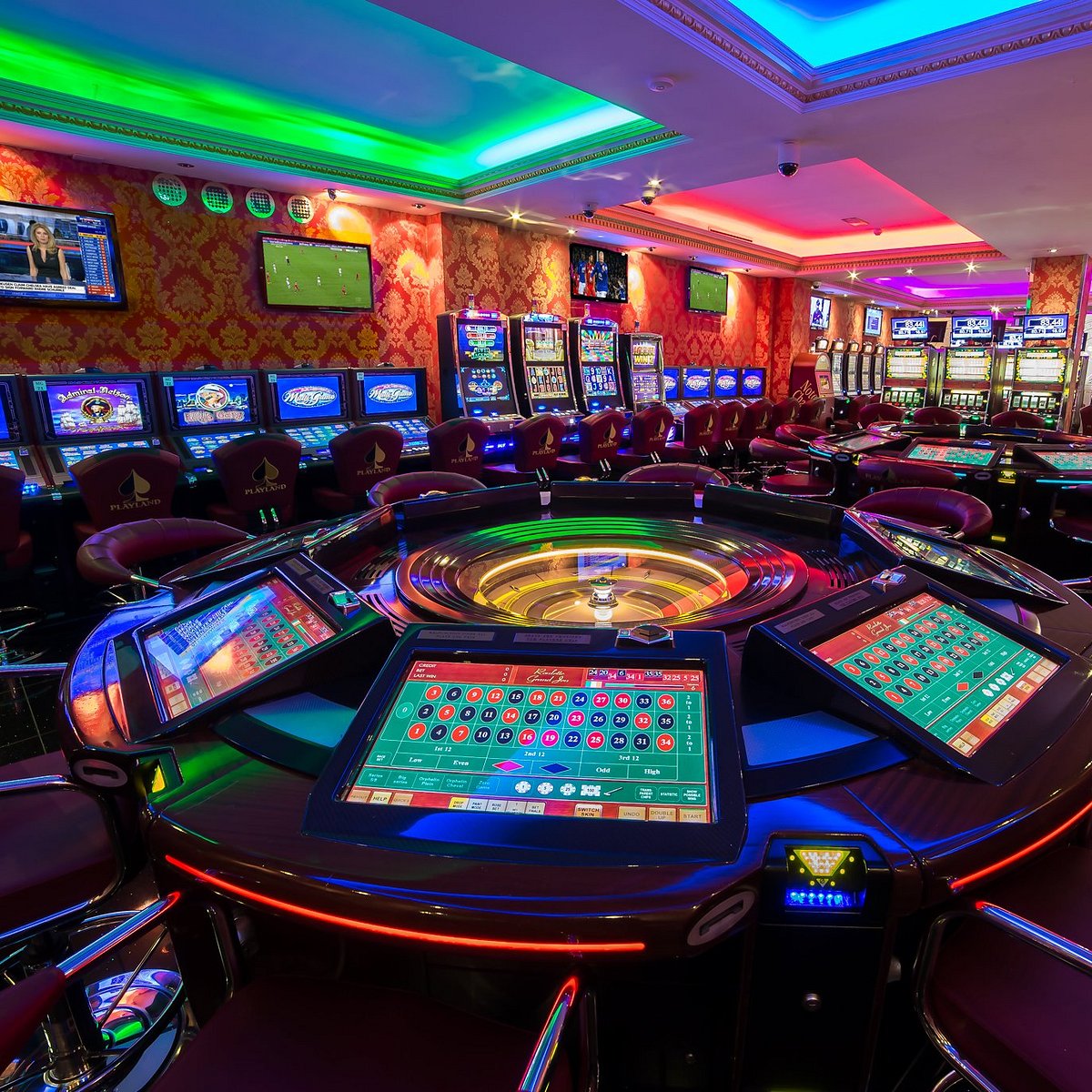
Today, casinos continue to evolve, blending traditional elements with cutting-edge technology. The integration of artificial intelligence and virtual reality into gaming experiences is poised to redefine how people engage with casinos. These advancements not only enhance user experiences but also offer operators insights into player behavior, improving customer service and game development.
As the gambling landscape becomes increasingly competitive, both land-based and online casinos must adapt to retain their customer base. Offering unique promotions, enhanced gaming experiences, and a commitment to responsible gambling will be crucial in shaping the future of casinos. The enduring appeal of gaming remains, but the methods of delivery will continue to adapt to technological advancements and consumer preferences.